Why Us

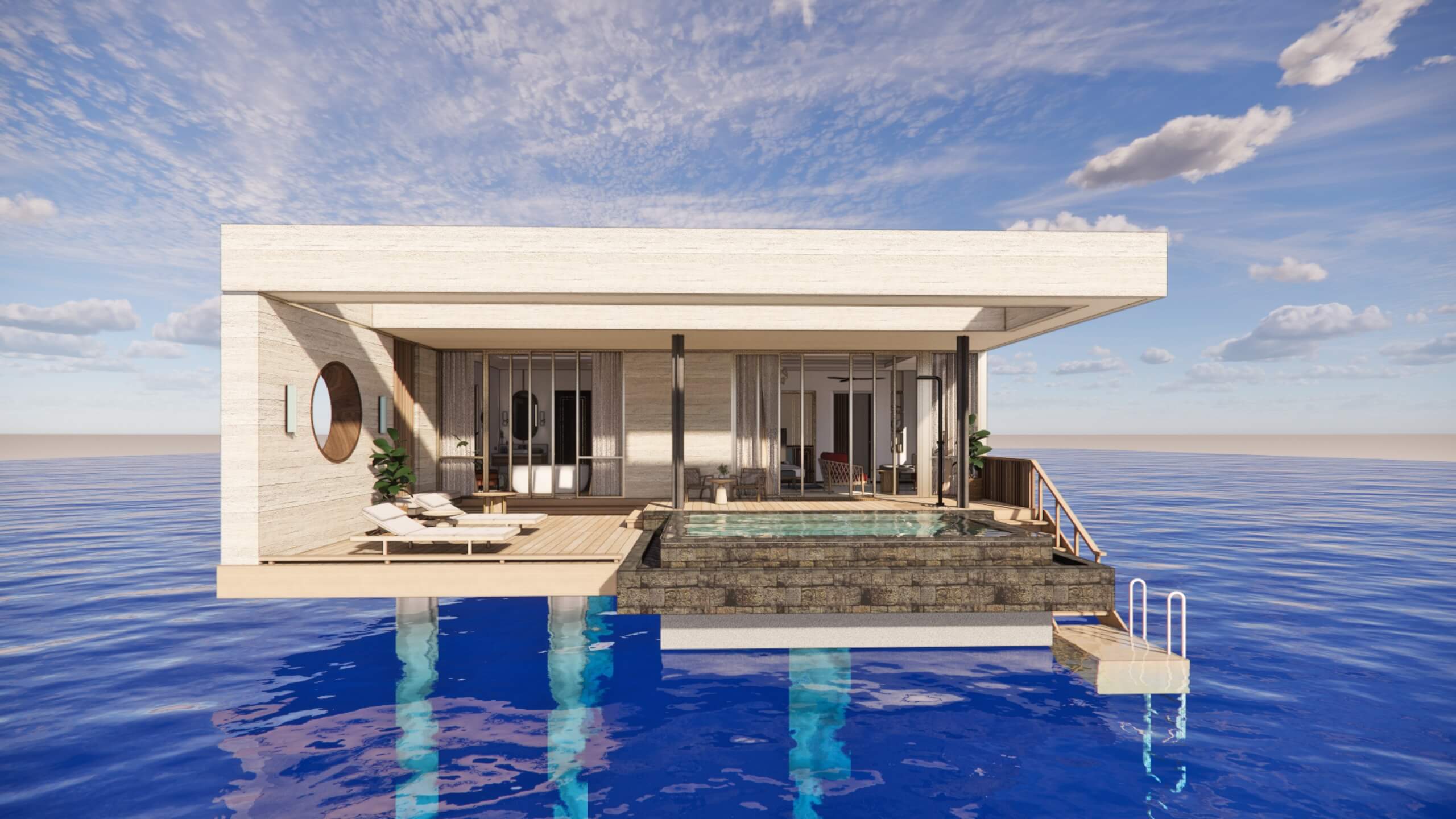
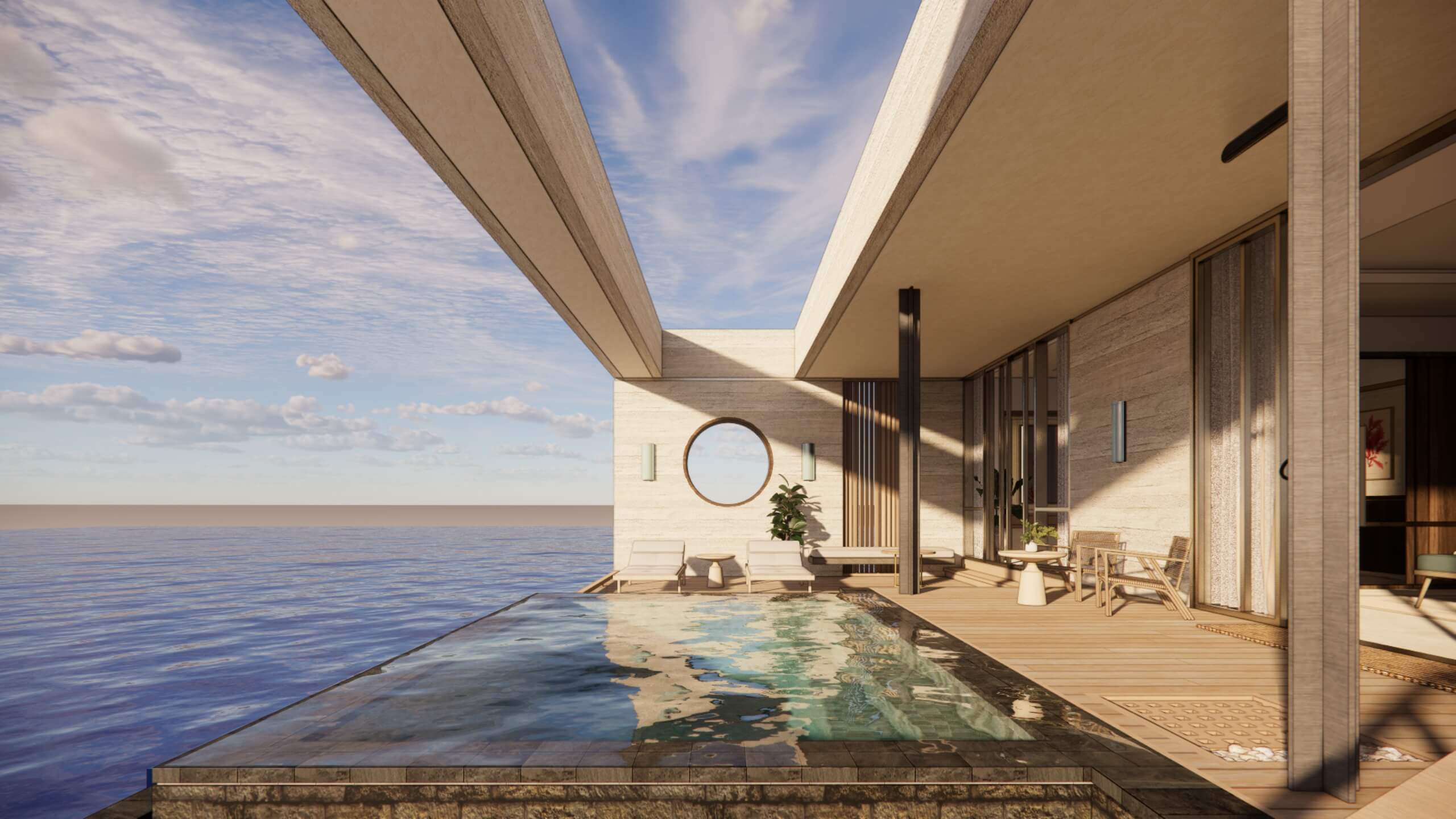
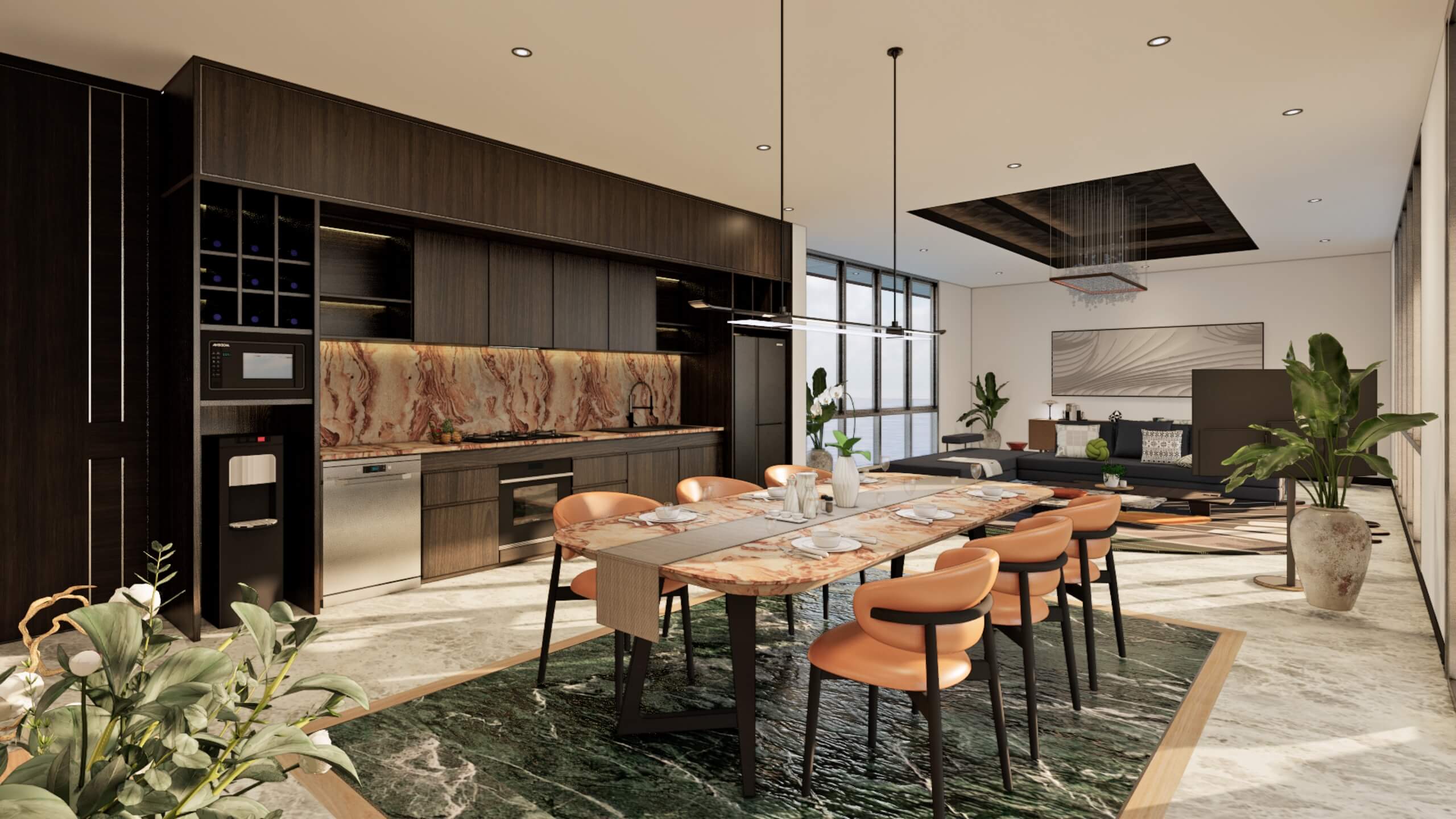
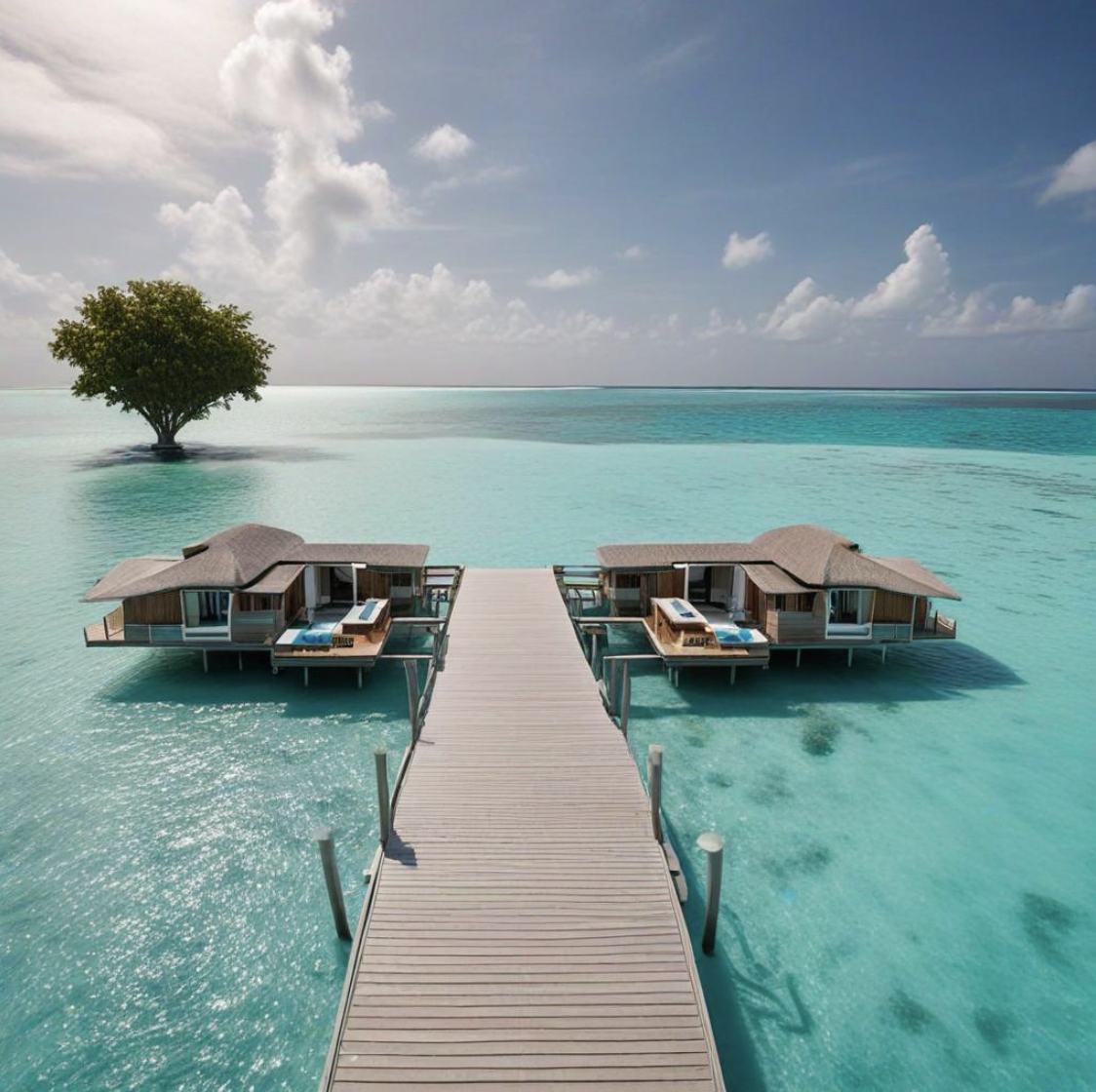
Experience luxury, sustainability, and environmental harmony with Project Pod.

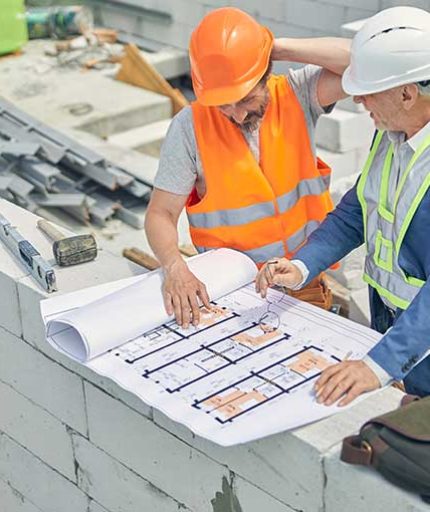
pbm-about-02
pbm-about-06
crane-hook

About

Experience luxury, sustainability, and environmental harmony with Project Pod.

Speed Steel Project Pod System
Treated Timber
In-Situ Concrete
Pre-Cast Concrete
Speed of Construction
Ease of Assembly
Off Site Manufacturing
Labour Intensive
Cost Savings
Sustainable
Durability (Longest)
Modular
Versatility
Coral Formation
Ocean Friendly (During Construction)
Ease of Maintenance
Wastage

IN-DEPTH SYSTEM COMPARISON

Our steel “pod” system

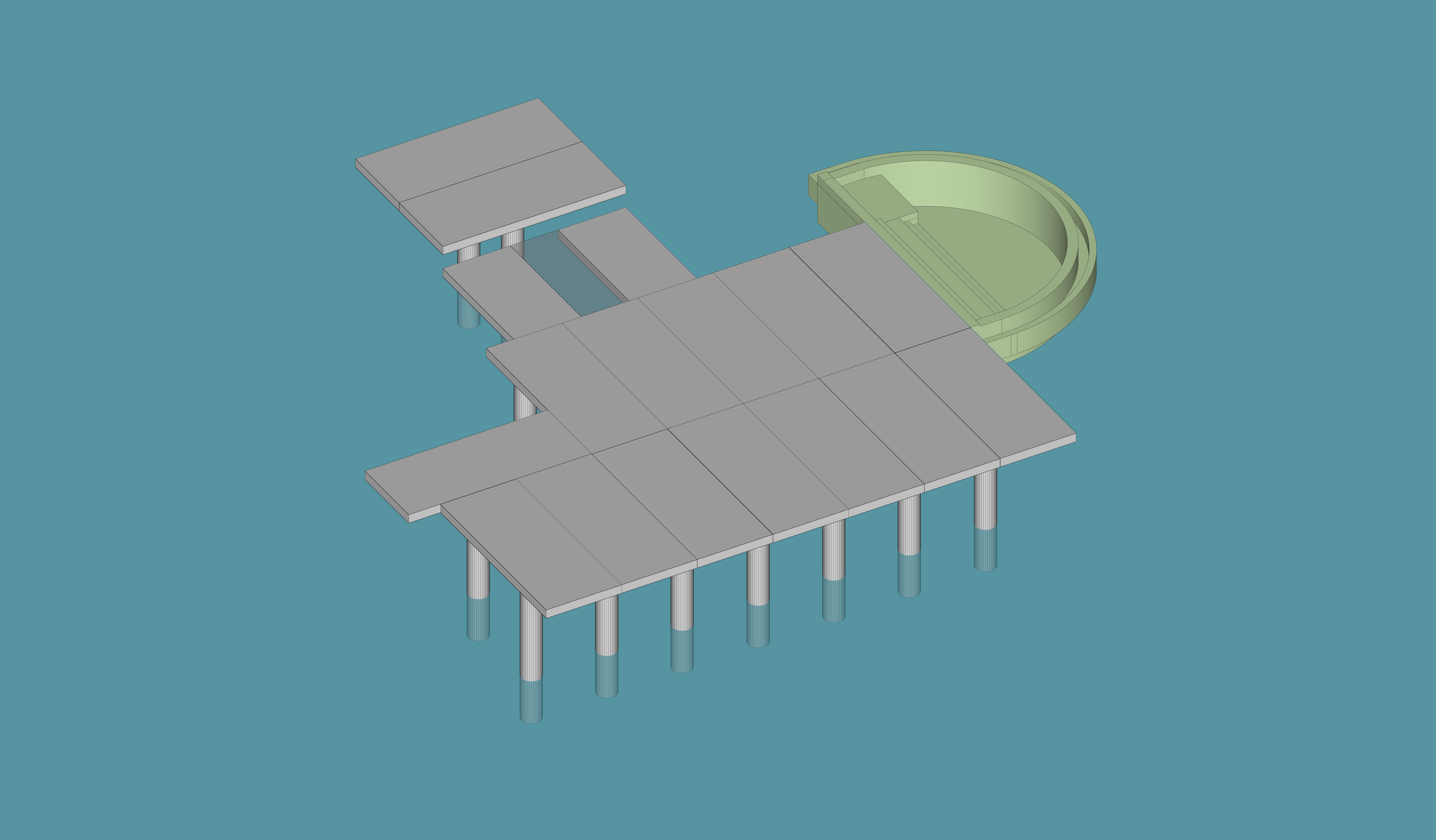
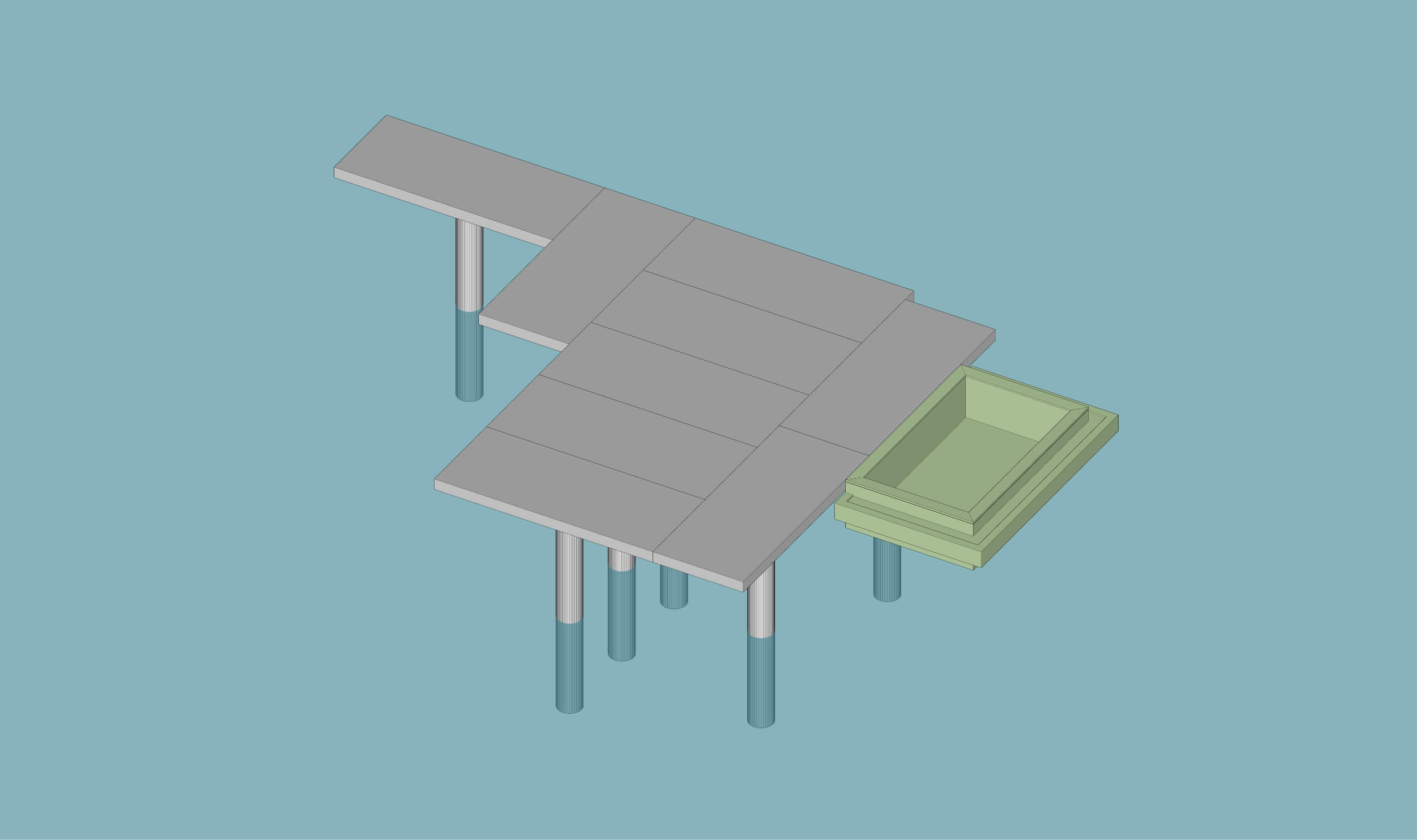
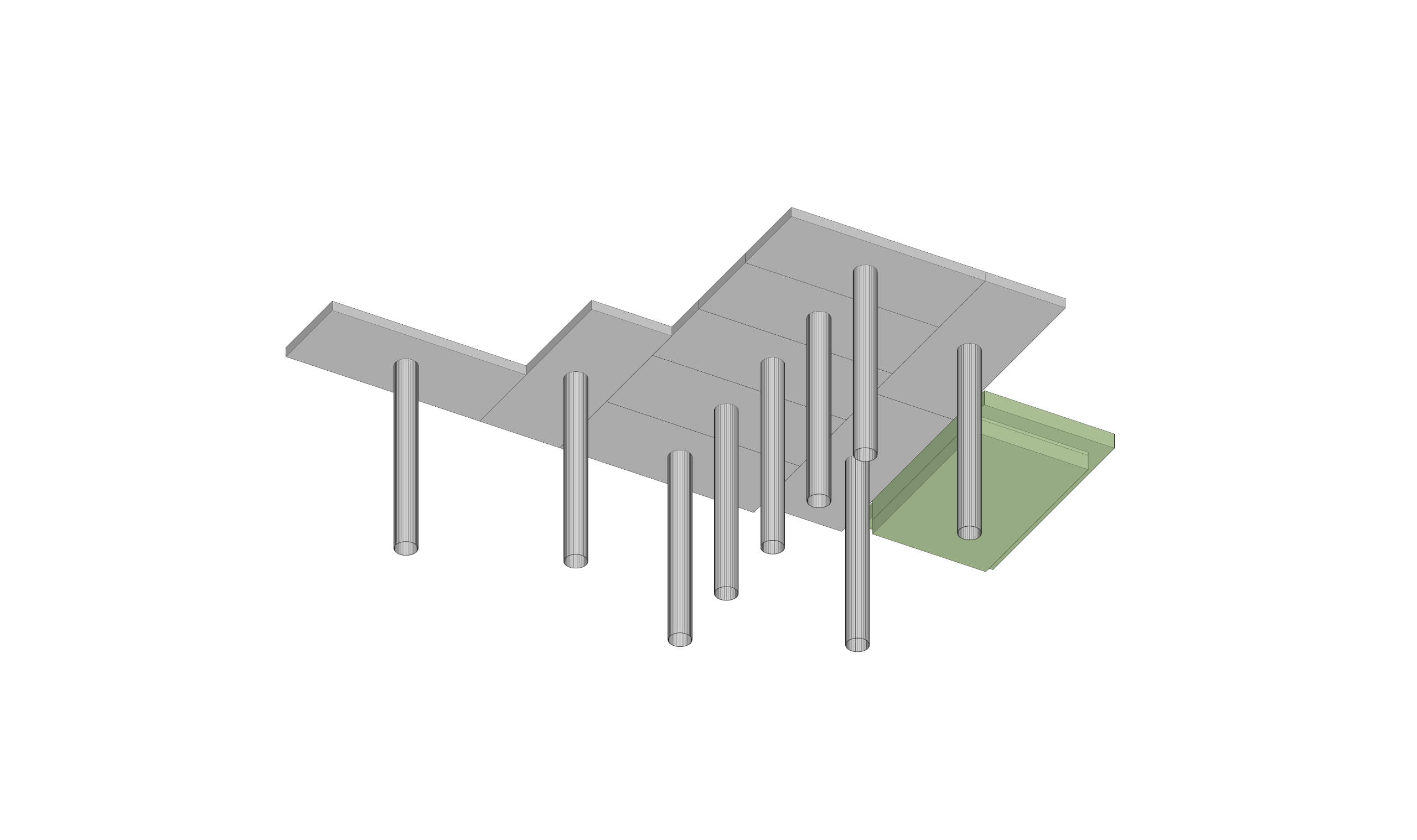
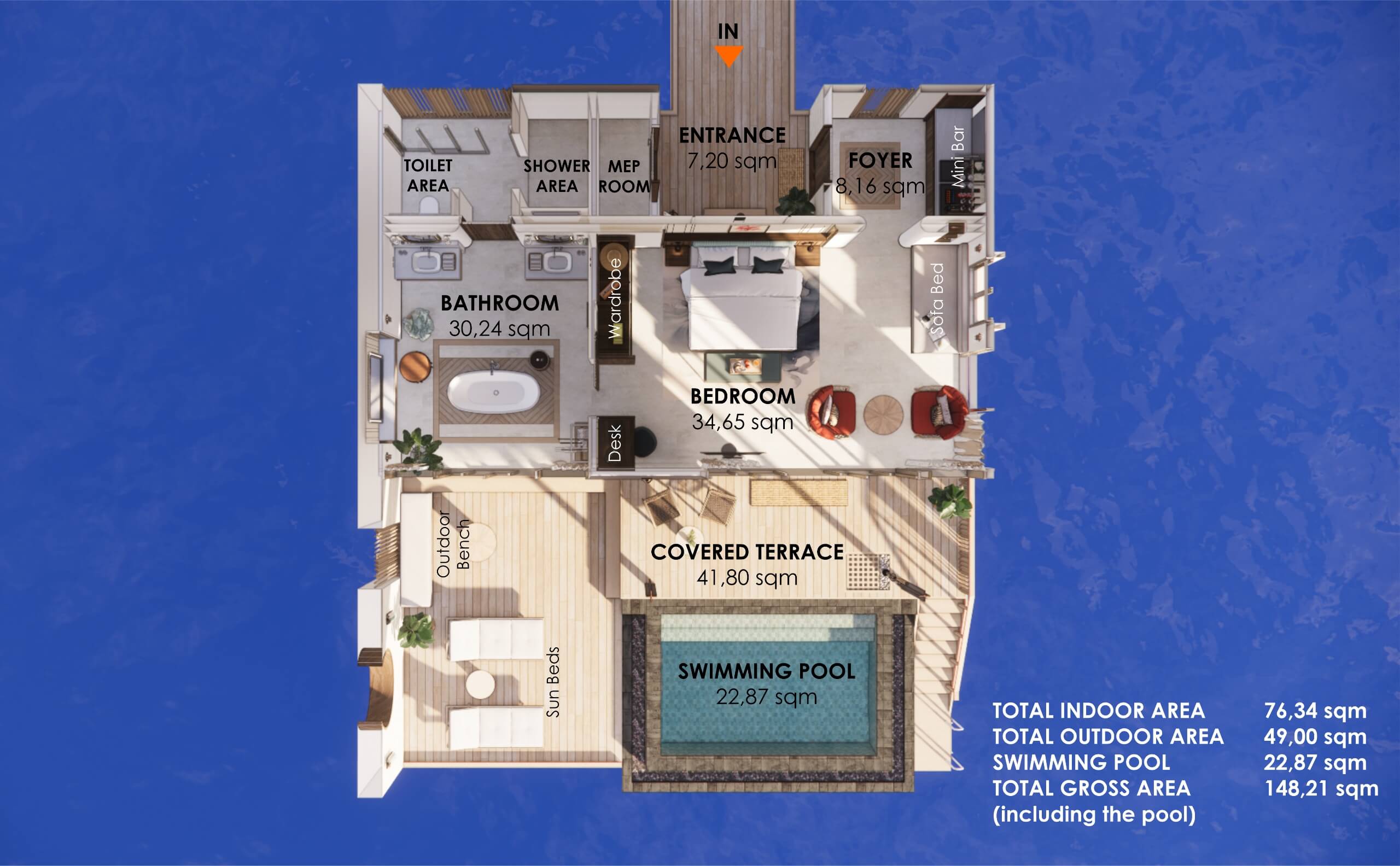
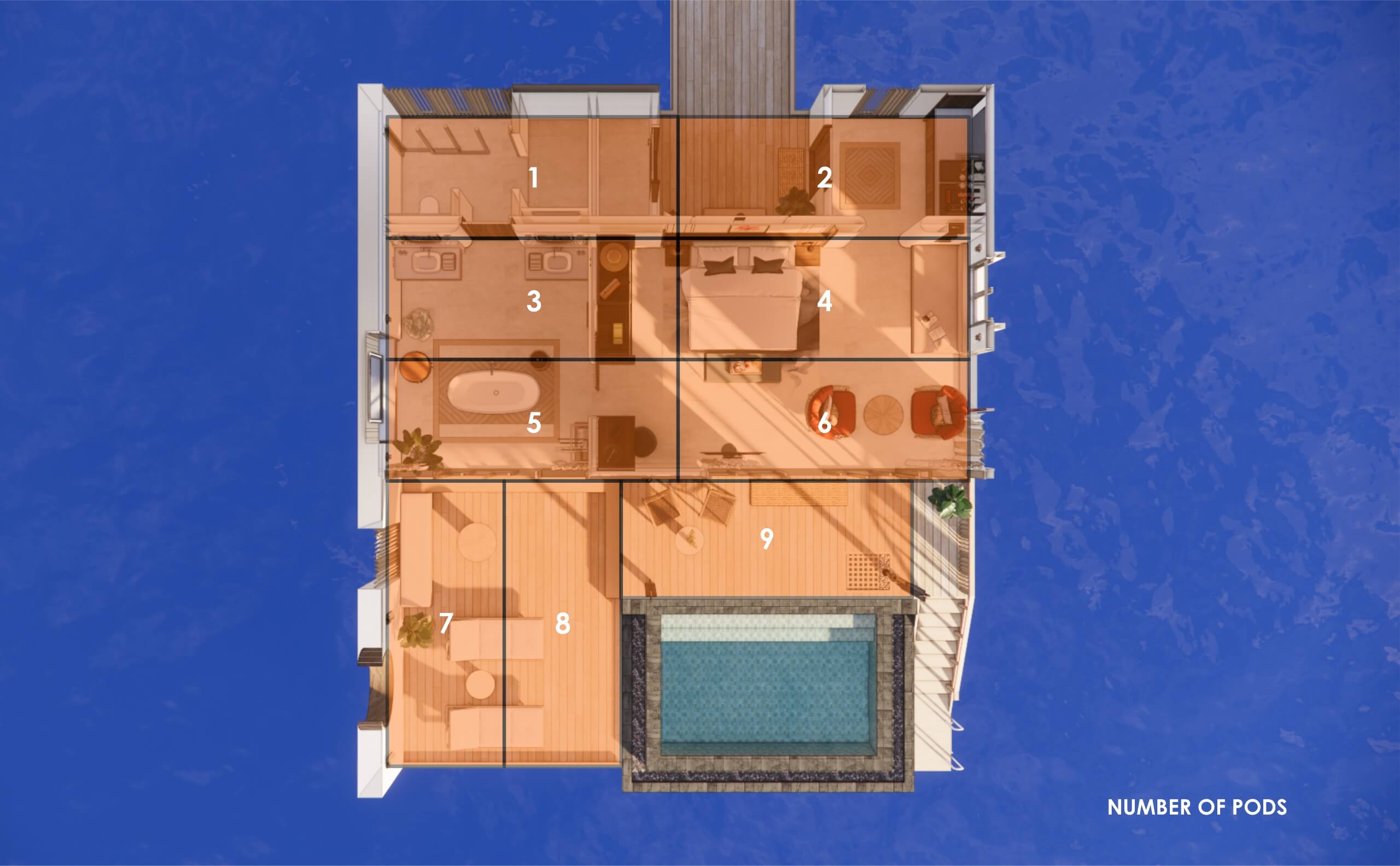
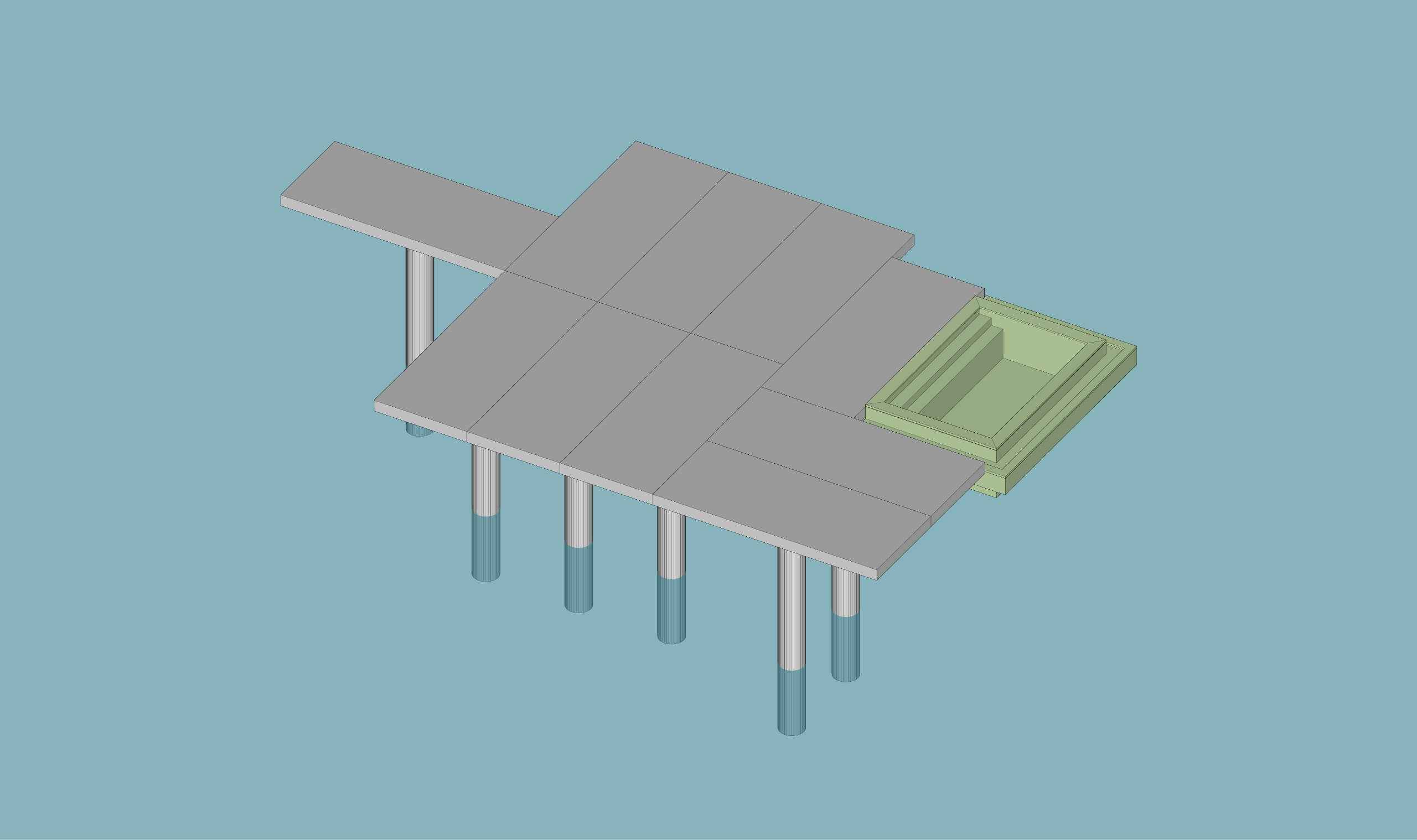
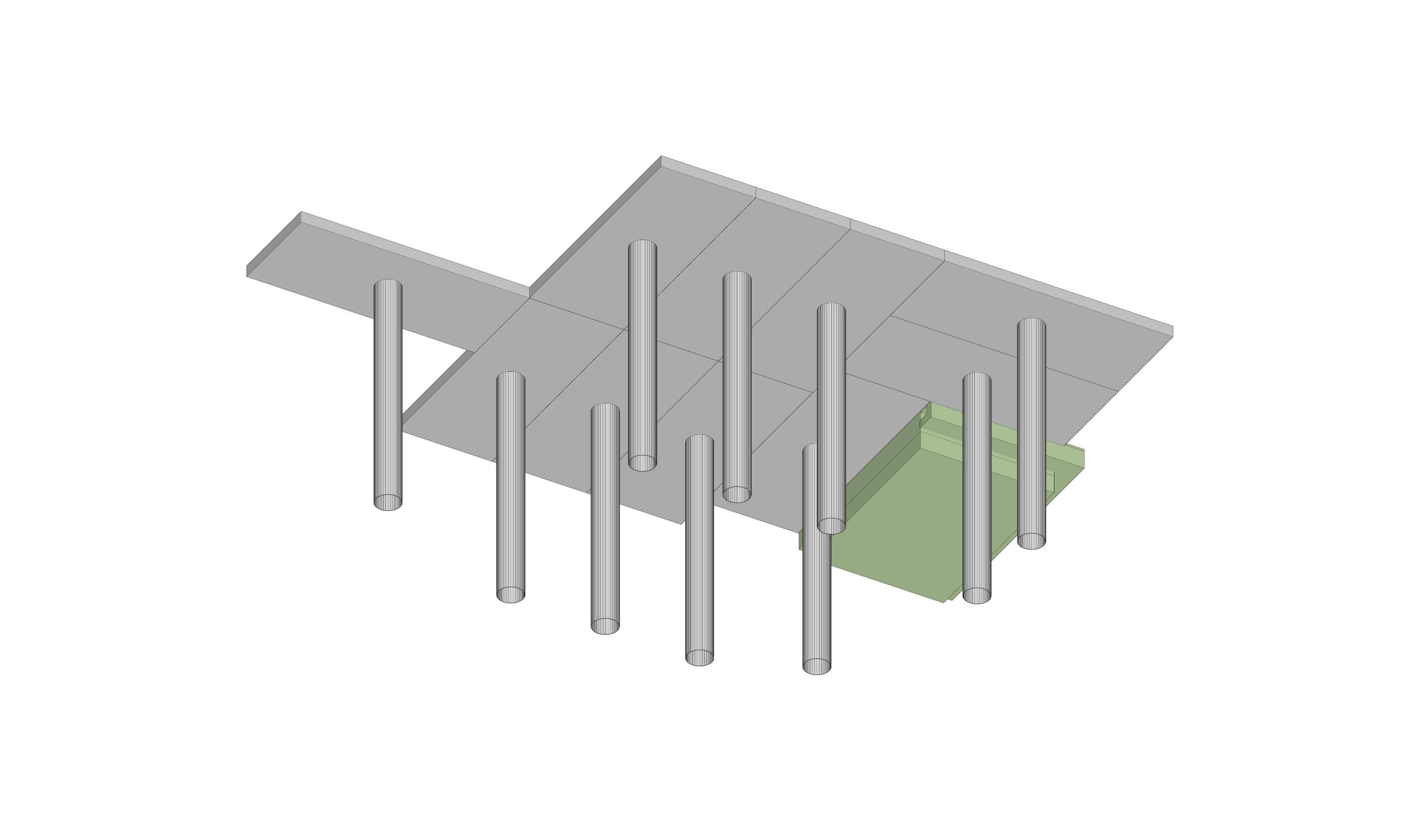
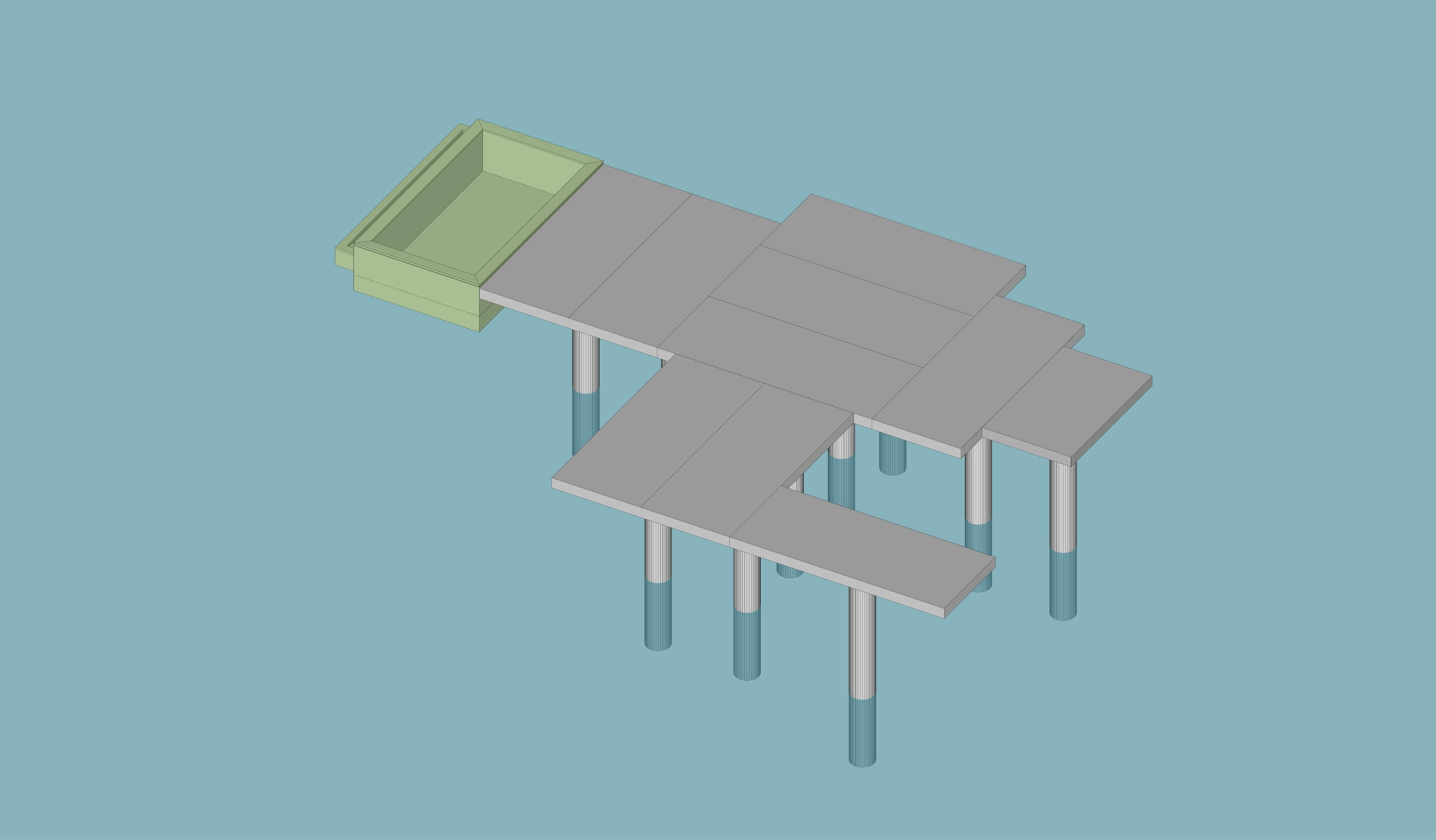
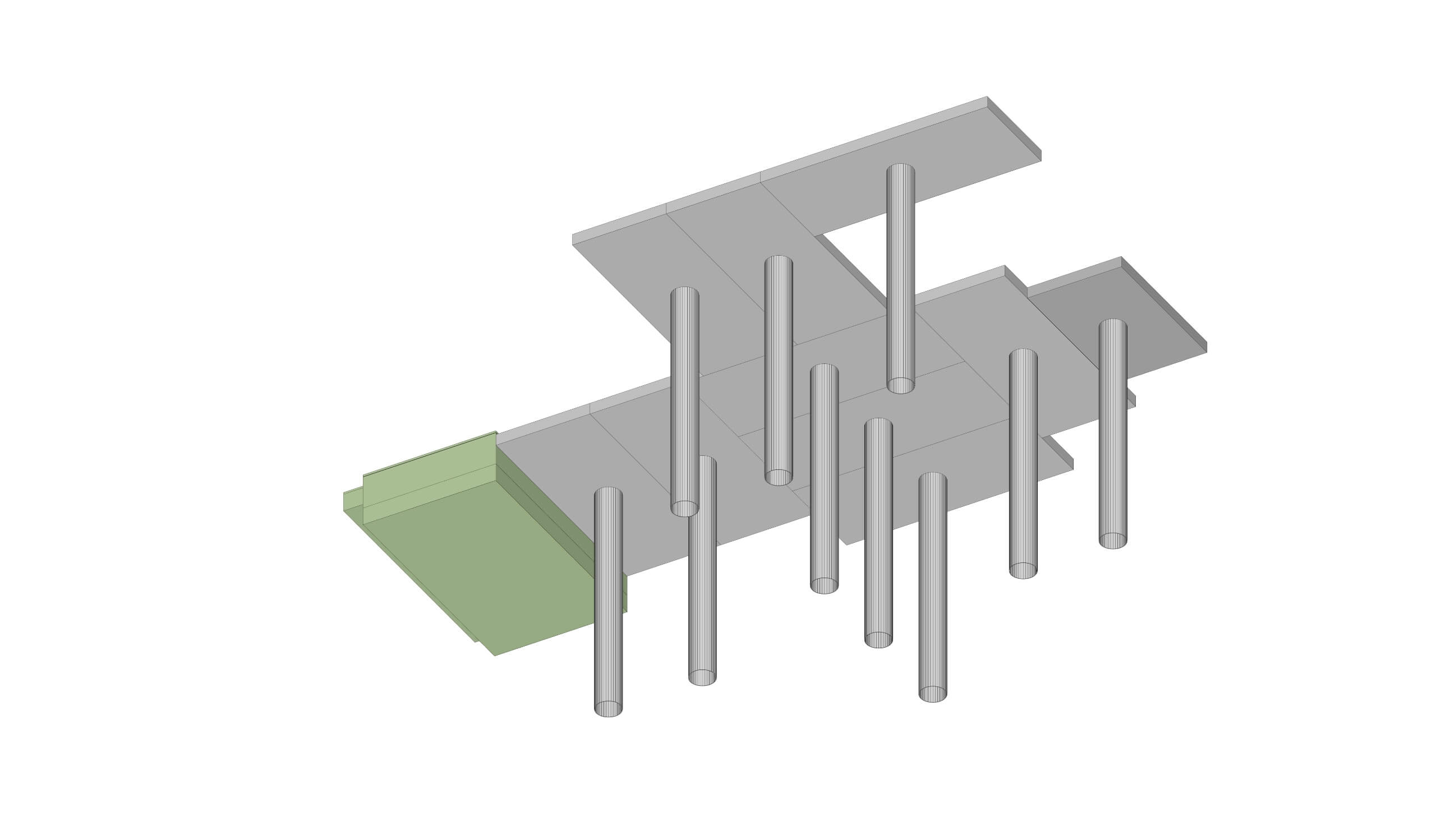
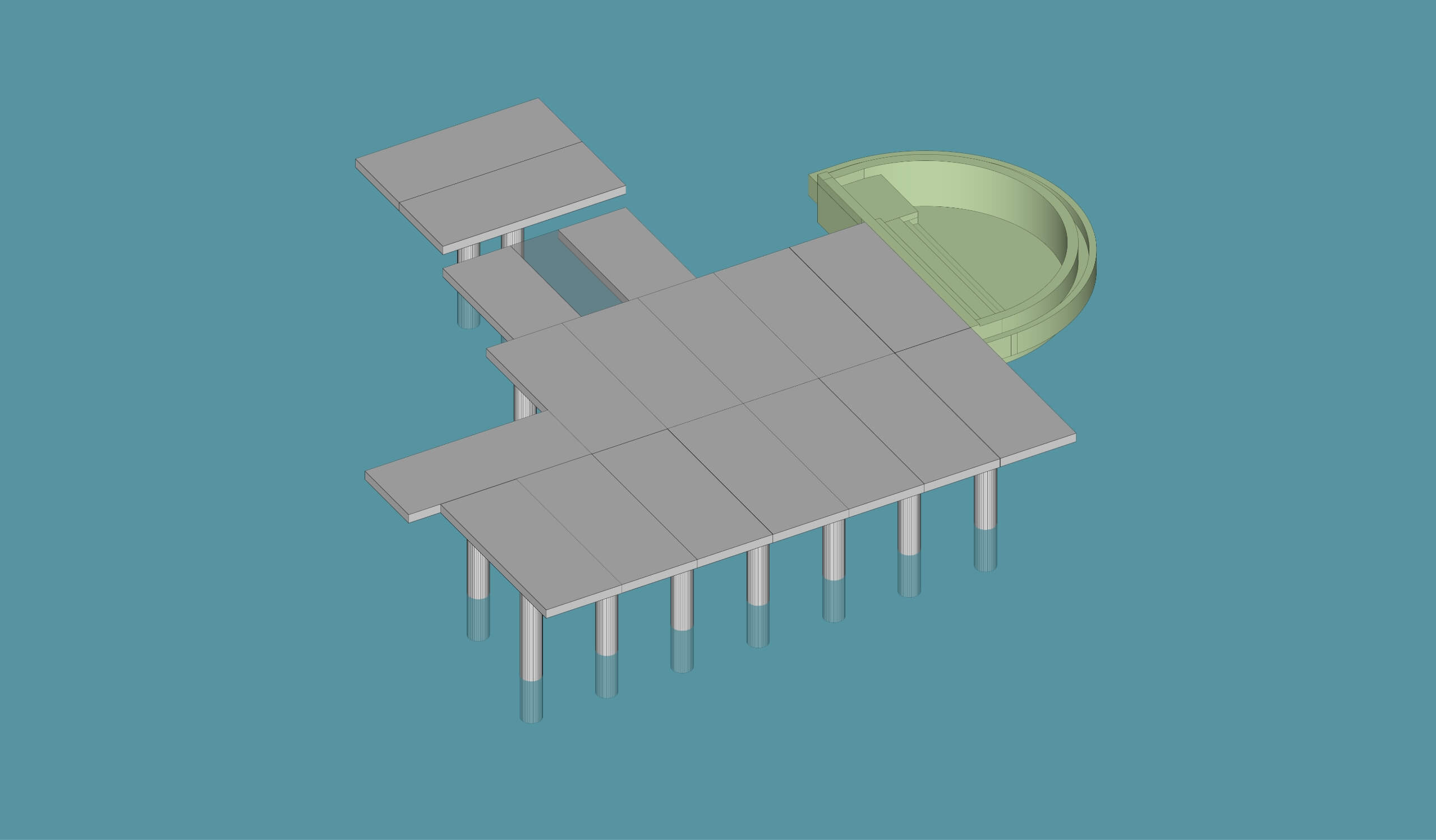
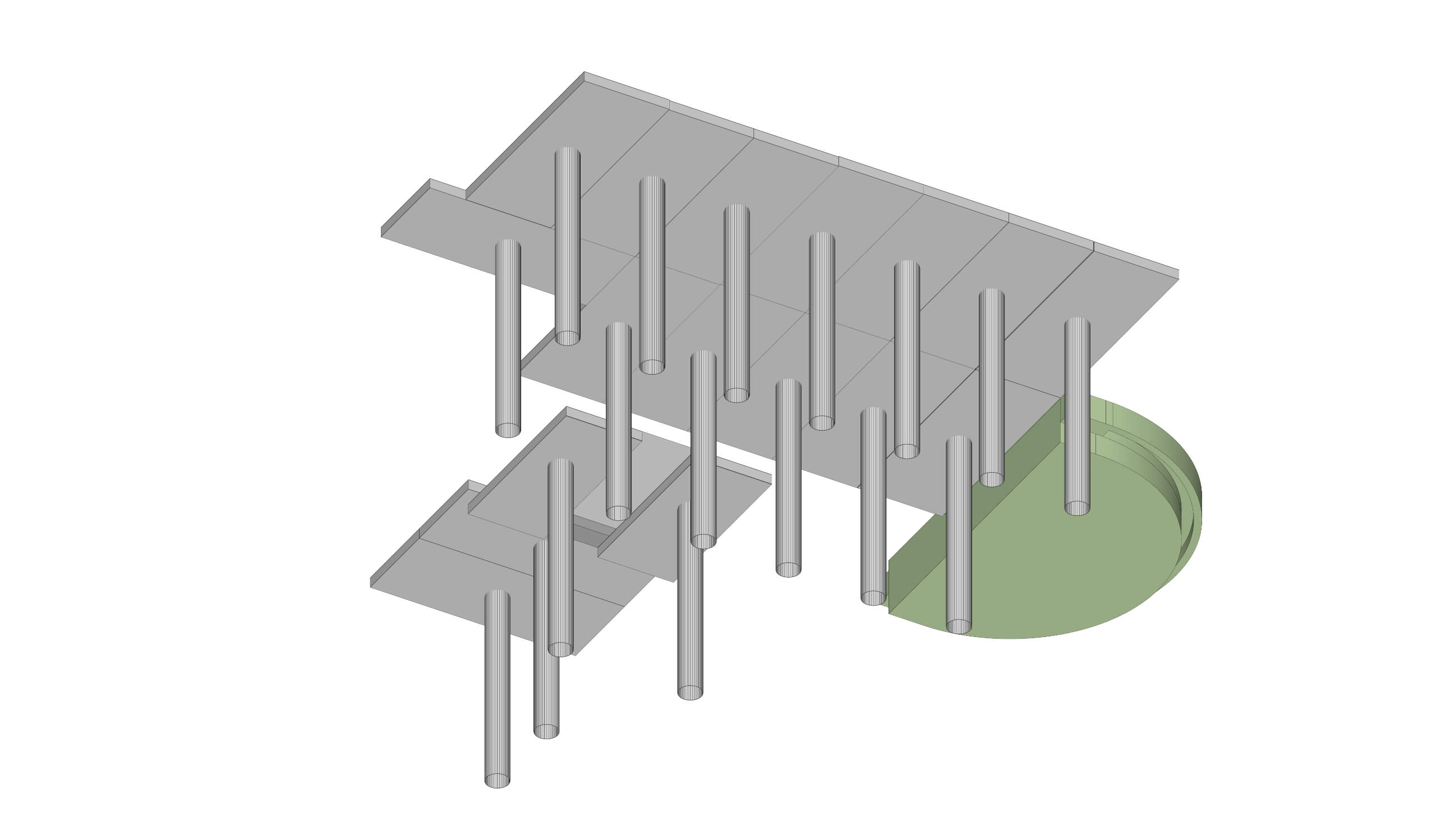
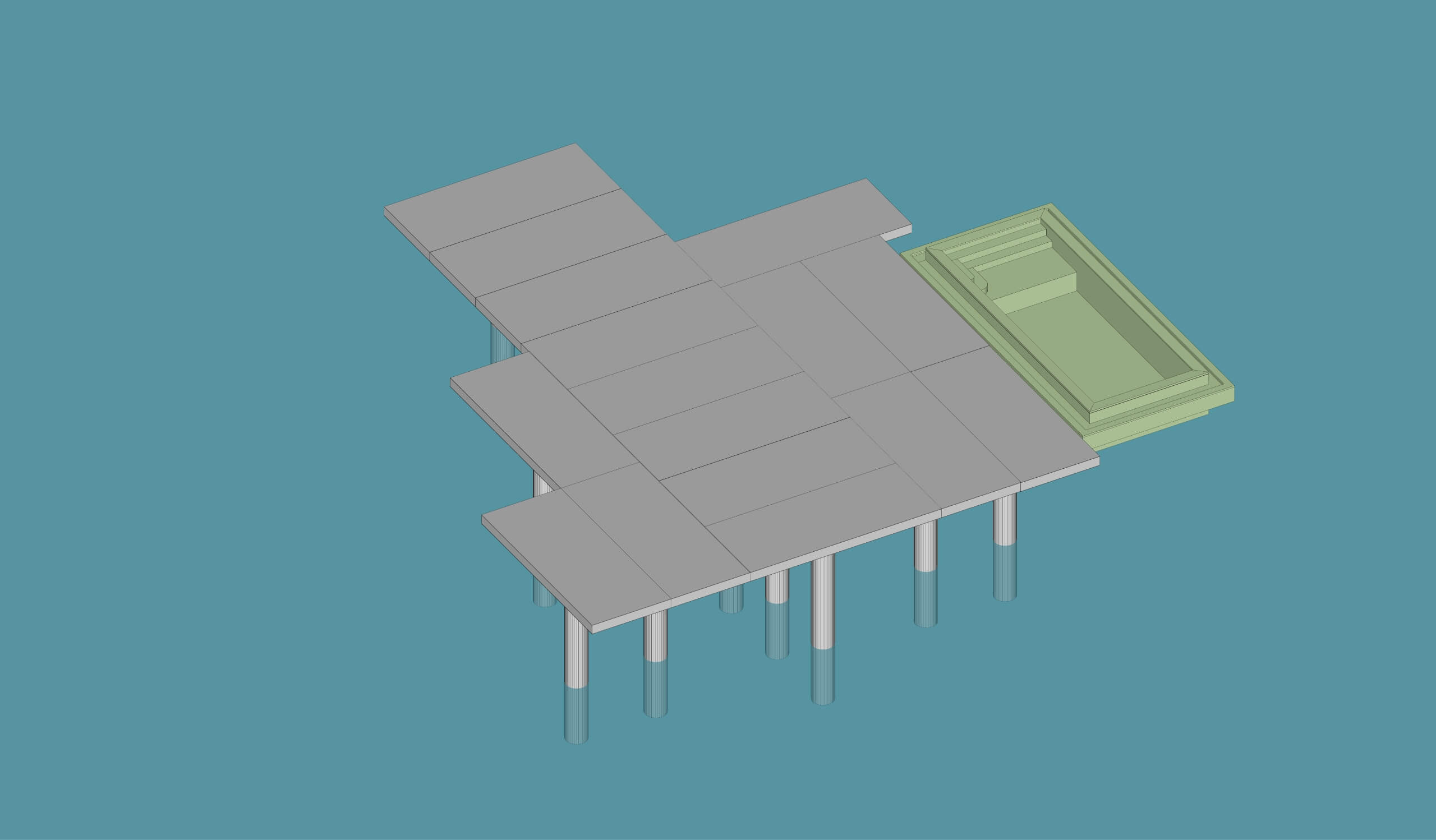
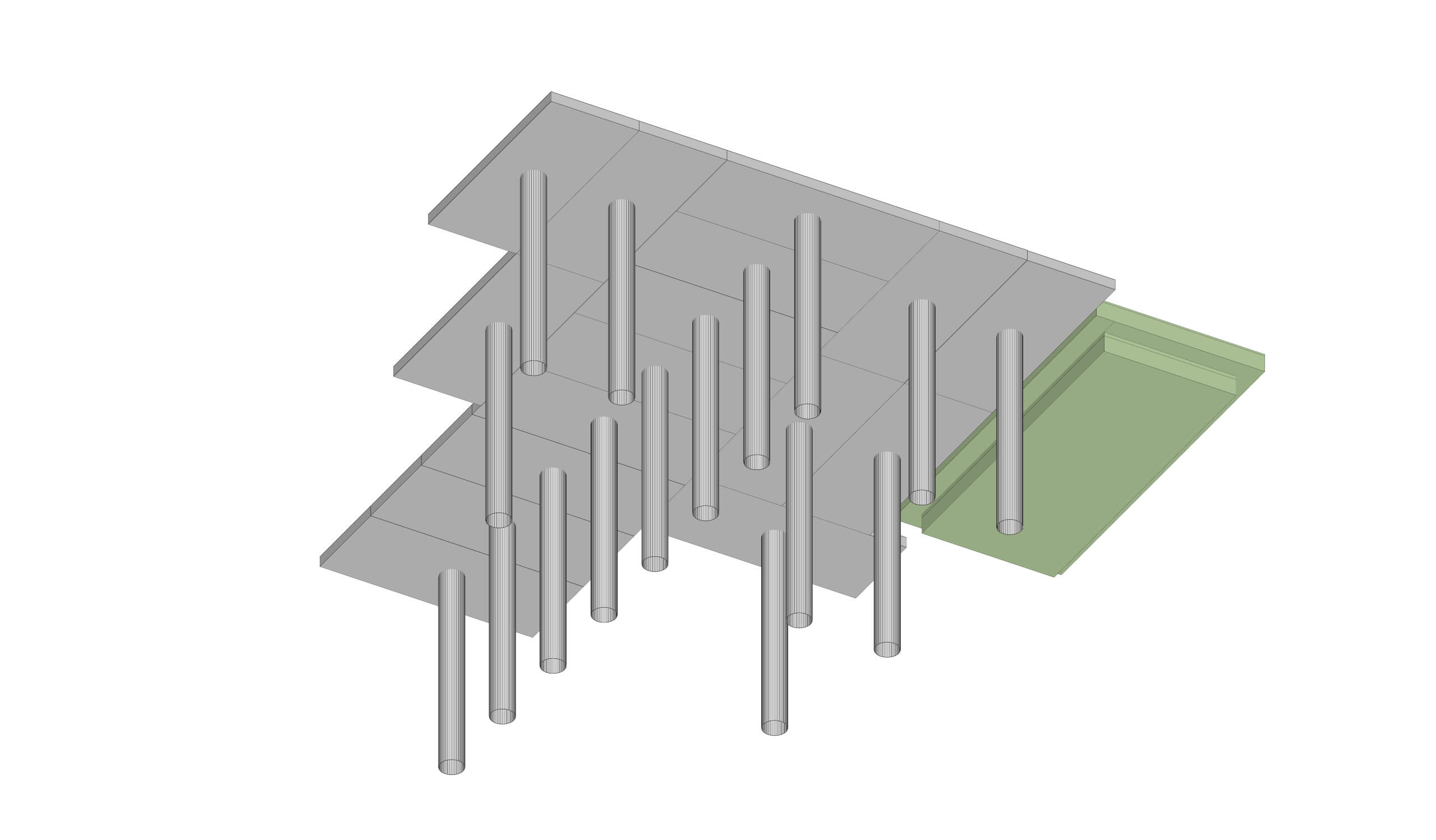
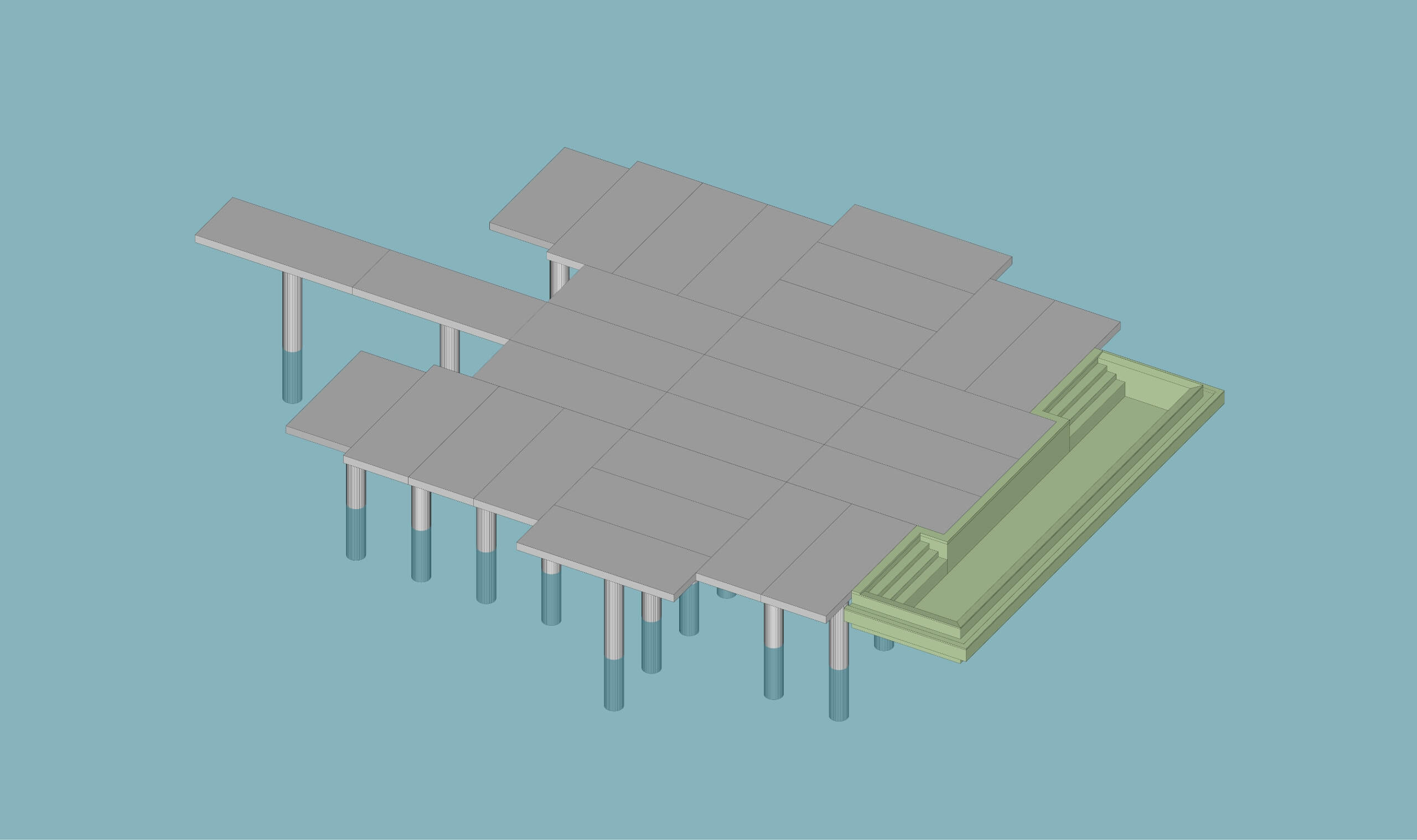
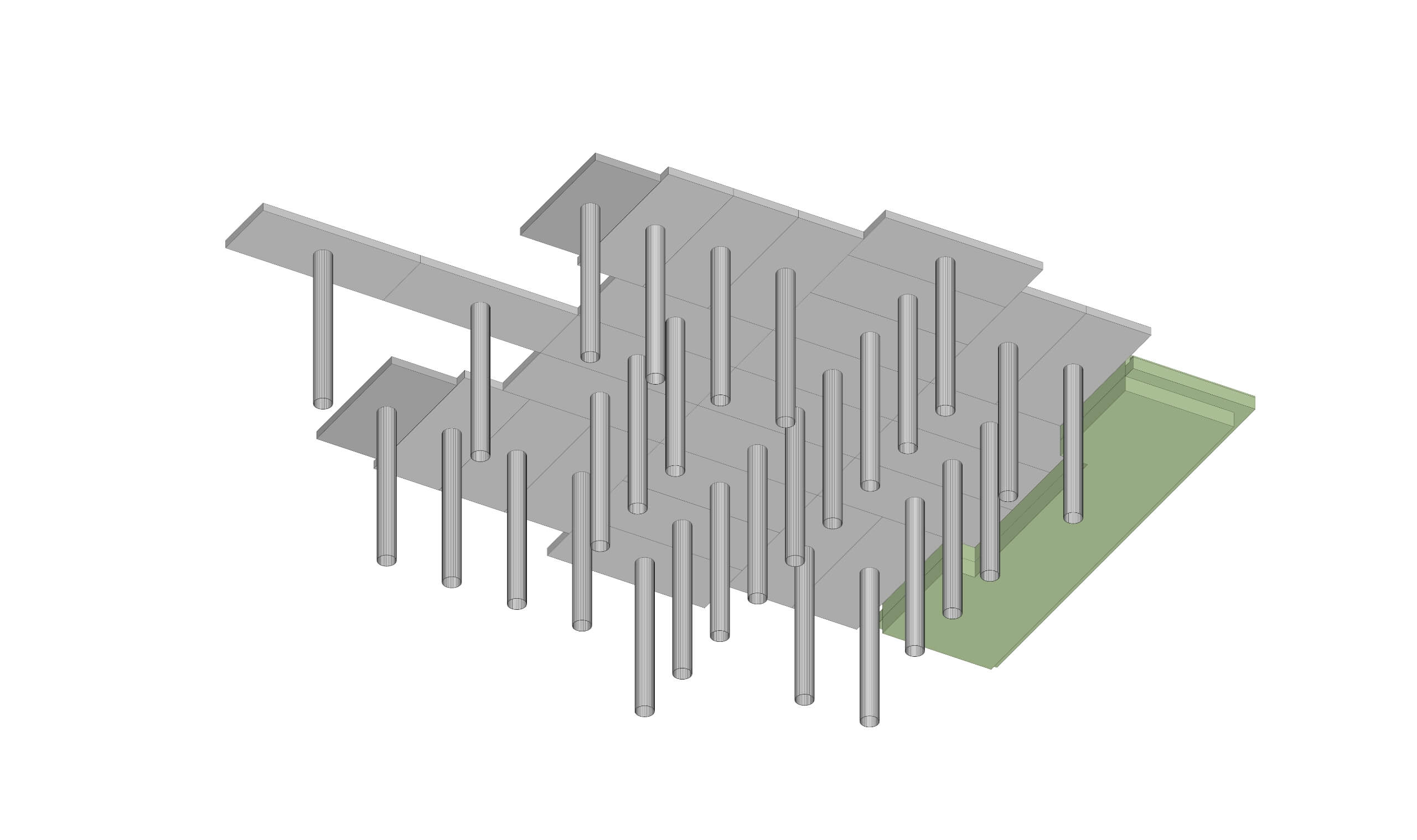
The columns for this system can be pre-cast concrete, concrete spun piles or steel round columns. The preference in this system is to use steel columns as a fast method of placing the columns. Steel column round piles will be driven into the seabed using an excavator mounted vibrating head. Once the columns are driven to the seabed, the top of the steel piles will be cut to level. On top of the steel columns the factory designed steel “pods” will be fixed. Due to the design and factory construction of the “pods” the number of piles under the room can be reduced. For example, a 110 sq. meter floor needs only 7 columns. The “pods” measurements are controlled to fit into a 20 ft or 40 ft container with no wasted space in the container. Once the “pods” are discharged to the island, the pods will float and can be taken to the location very easily. Concrete components have to be moved with large excavators running on the seabed.

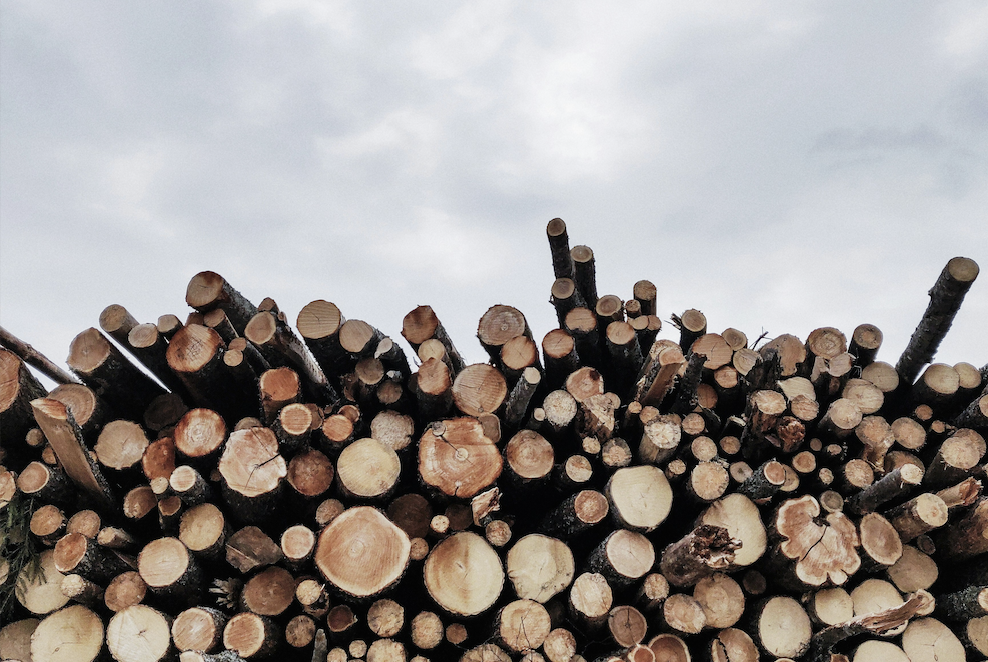
H6 treated pine poles are used as columns. A concrete base for these columns is cast on the beach. Columns are placed in the sea by digging a hole with an excavator and burying the base of the pole. Once all poles are in location, top of the poles are cut so the top of all columns are level. All the poles need to be braces with timber braces to stop the lateral movement of the structure from waves as well wind. The sub-floor is made up of H4 treated pine timber bearers and joists. Due to the nature of timber bearers the columns are spaced around 1.500 meters. This results in a large number of columns under the building. Placing a large number of columns is time consuming. The floor is made of 20 mm compressed cement boards.
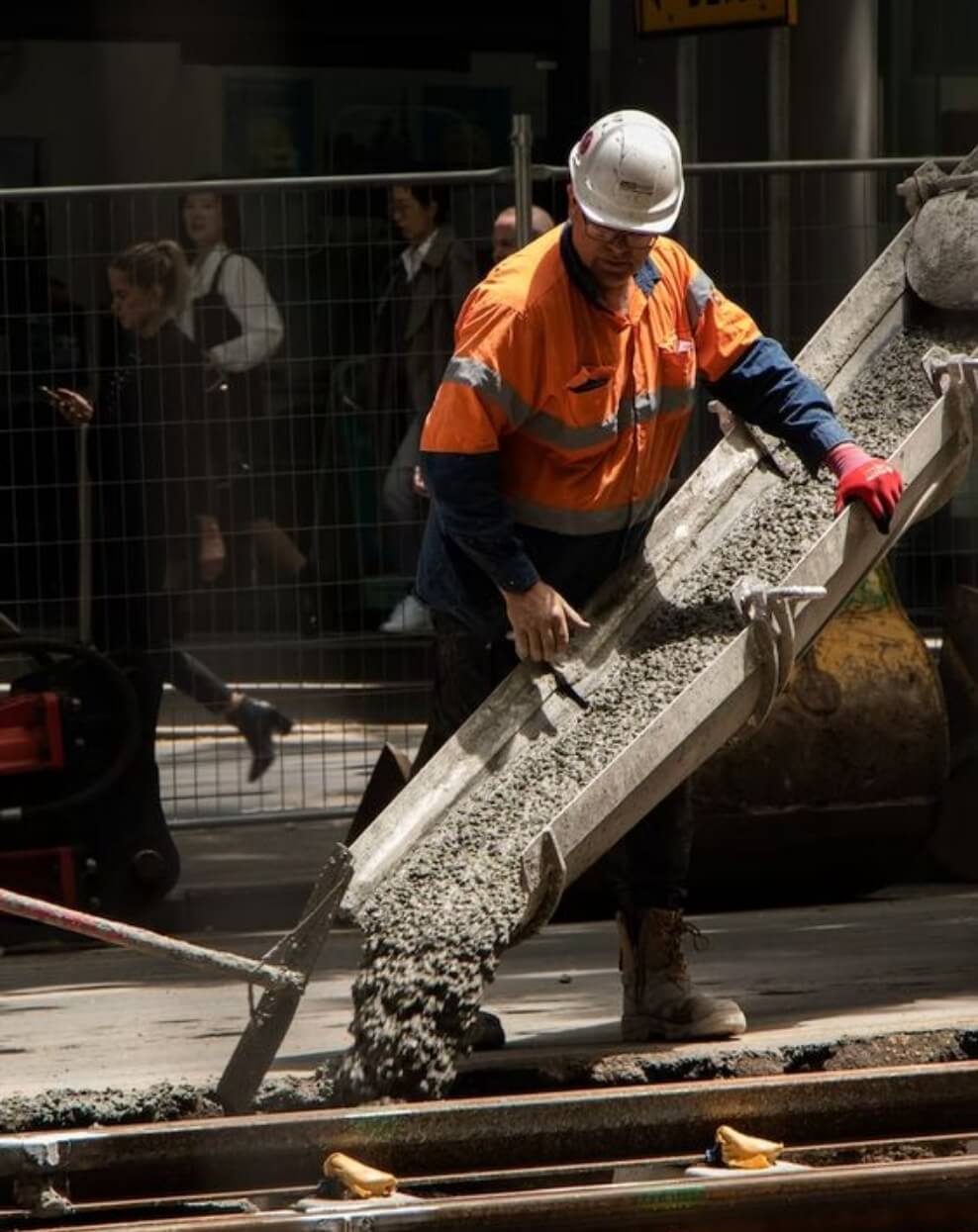
Concrete columns are cast on land and carried by an excavator to the location of the building and are buried using the excavator in the same way as the timber columns. Once in location the top portion of the column has to be cast to make sure all column tops are level for the beams to sit on. When all the columns are ready beams and floor slab is cast in-situ. This method is very time consuming and causes a lot of wastage for boxing timber. The seabed is not flat since the installation of props is expensive and again time-consuming.

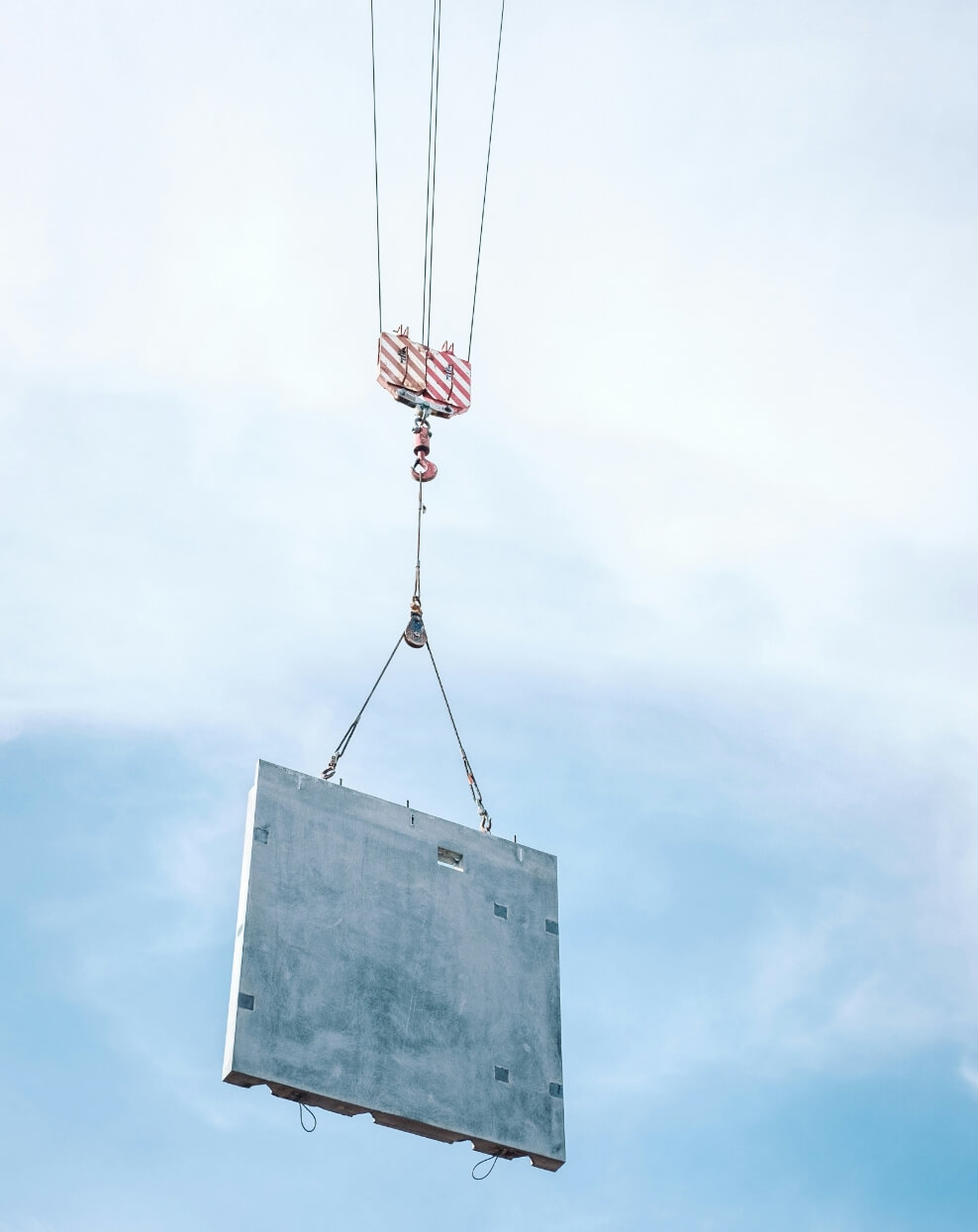
This is a much faster system. The columns, beams and floor slab components are produced in a concrete pre-casting factory. The transport cost of taking all finished components are rather high as local transport cost within the Maldives is high. The columns are place in the same process as the above 2. Once columns are in place in-situ top up pies has to be cast to make the top of all columns level.

IN-DEPTH SYSTEM COMPARISON

Our steel “pod” system

The columns for this system can be pre-cast concrete, concrete spun piles or steel round columns. The preference in this system is to use steel columns as a fast method of placing the columns. Steel column round piles will be driven into the seabed using an excavator mounted vibrating head. Once the columns are driven to the seabed, the top of the steel piles will be cut to level. On top of the steel columns the factory designed steel “pods” will be fixed. Due to the design and factory construction of the “pods” the number of piles under the room can be reduced. For example, a 110 sq. meter floor needs only 7 columns. The “pods” measurements are controlled to fit into a 20 ft or 40 ft container with no wasted space in the container. Once the “pods” are discharged to the island, the pods will float and can be taken to the location very easily. Concrete components have to be moved with large excavators running on the seabed.

Treated timber system

H6 treated pine poles are used as columns. A concrete base for these columns is cast on the beach. Columns are placed in the sea by digging a hole with an excavator and burying the base of the pole. Once all poles are in location, top of the poles are cut so the top of all columns are level. All the poles need to be braces with timber braces to stop the lateral movement of the structure from waves as well wind. The sub-floor is made up of H4 treated pine timber bearers and joists. Due to the nature of timber bearers the columns are spaced around 1.500 meters. This results in a large number of columns under the building. Placing a large number of columns is time consuming. The floor is made of 20 mm compressed cement boards.

In-situ concrete system

Concrete columns are cast on land and carried by an excavator to the location of the building and are buried using the excavator in the same way as the timber columns. Once in location the top portion of the column has to be cast to make sure all column tops are level for the beams to sit on. When all the columns are ready beams and floor slab is cast in-situ. This method is very time consuming and causes a lot of wastage for boxing timber. The seabed is not flat since the installation of props is expensive and again time-consuming.

Pre-cast concrete system

This is a much faster system. The columns, beams and floor slab components are produced in a concrete pre-casting factory. The transport cost of taking all finished components are rather high as local transport cost within the Maldives is high. The columns are place in the same process as the above 2. Once columns are in place in-situ top up pies has to be cast to make the top of all columns level.
Project Pod